
You sent that text. They replied with a photo. Then came the voice note. Then the video. It started as playful, maybe even sweet. Now it feels like the only thing keeping your relationship alive is pixels on a screen. You’re not alone. More couples are losing the real connection because they’re replacing touch with taps. And the worst part? You don’t even notice it’s happening until the silence after a sext is louder than any argument ever was.
Some people turn to services like esscort paris when they feel emotionally disconnected-because sometimes, the fantasy of physical closeness feels easier than fixing what’s broken at home. But that’s not the solution. It’s a symptom. And if you’re reading this, you already know something’s off. You’re not looking for an escape. You’re looking for a way back.
When Sexting Replaces Conversation
Sexting isn’t inherently bad. A flirty text can spark intimacy. But when it becomes the primary way you communicate, you’re trading depth for dopamine. Real connection requires vulnerability-sharing fears, dreams, frustrations. Sexting? It’s performance. It’s curated. It’s the emotional equivalent of eating candy for every meal. Sweet at first. Empty after.
One couple I know stopped talking about their day. Instead, they’d send each other photos in bed at night. She’d send a lingerie pic. He’d send a shirtless selfie. They called it ‘checking in.’ But they never asked how the other felt about the job, the fight with their mom, the loneliness they both hid. After six months, she said, ‘I don’t know who you are anymore.’ He didn’t know how to answer. Because he didn’t know either.
The Science Behind Digital Intimacy
Neuroscience shows that physical touch releases oxytocin-the bonding hormone. Eye contact, a hand on the arm, even sitting side by side in silence-all of it builds trust. Sexting? It spikes dopamine, the reward chemical. That’s why it feels good. But dopamine doesn’t build long-term connection. It creates addiction. And addiction doesn’t heal. It distracts.
A 2024 study from the University of Auckland tracked 312 long-term couples. Those who relied on sexting as their main form of emotional expression were 4.2 times more likely to report feeling emotionally distant than couples who prioritized voice calls or in-person time. The gap wasn’t about frequency-it was about substitution. When sexting replaced talking, the relationship started to rot from the inside.
Why It Feels Safe-Until It Doesn’t
Sexting feels safe because it’s controllable. You can delete it. You can pretend it didn’t happen. You don’t have to face the awkward silence after saying something hard. But that’s the trap. Real intimacy demands risk. It demands showing up when you’re tired, when you’re angry, when you’re not ‘in the mood.’
One man told me he sent 17 sexts in a week to his wife after she had surgery. He said he wanted to keep the spark alive. But she didn’t want photos. She wanted him to sit with her while she cried. He didn’t know how to do that. So he sent a photo instead. She stopped responding after the third one. He thought she was being cold. She was grieving the loss of his presence.
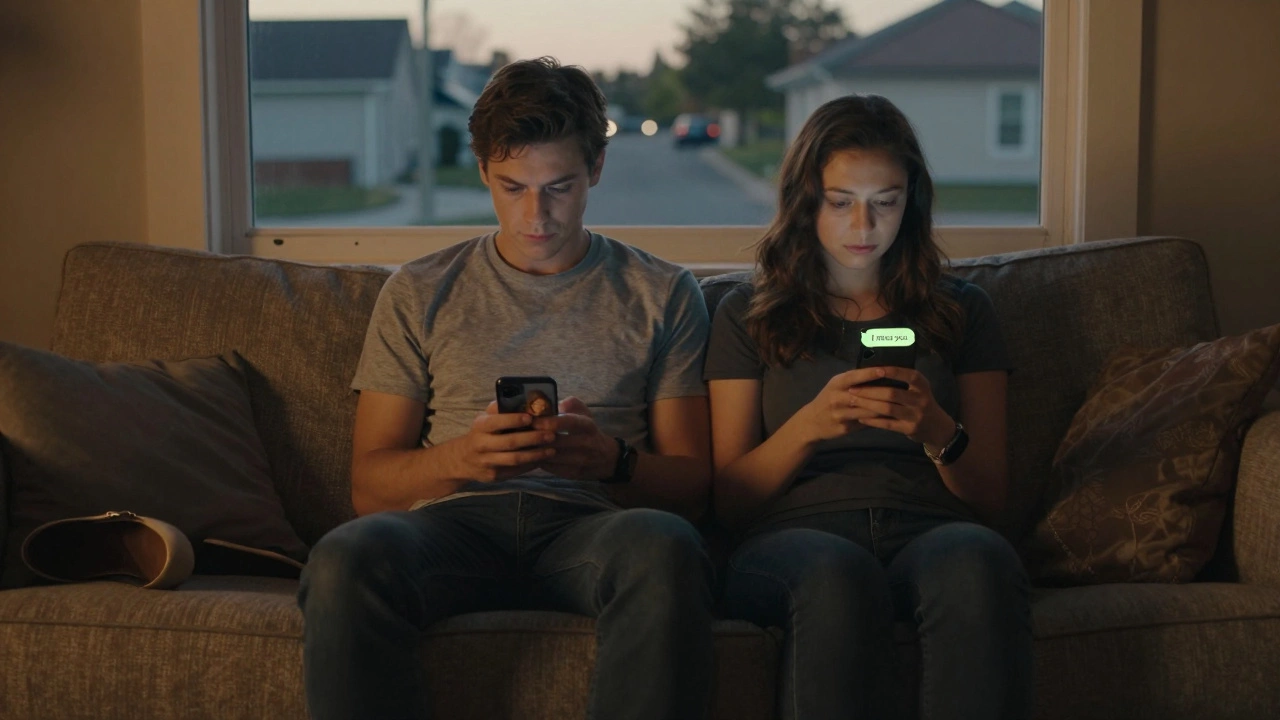
Is Your Relationship Just a Chat Thread?
Ask yourself these questions honestly:
- When was the last time you held hands without thinking about taking a picture?
- Do you ever miss the sound of their voice just talking-not teasing, not flirting, just being?
- When you argue, do you text it out or sit down and talk?
- Do you feel closer after a sext… or emptier?
If you answered ‘yes’ to any of the last two, you’re not in a relationship anymore. You’re in a digital transaction. And transactions end when the payment stops.
The Role of External Distractions
It’s no coincidence that sites like esscort paris, escort paris sexe, and 6escort paris are growing. They’re not just about sex. They’re about escape. People are using them to fill a void created by emotional neglect in their own relationships. If you’re tempted to look, ask yourself: Are you searching for someone else… or trying to find the version of your partner you used to love?
One woman told me she visited a Paris escort site after her husband stopped kissing her goodnight. She didn’t want to sleep with strangers. She wanted to feel wanted. She didn’t book a session. She just scrolled. And cried. Because she realized she hadn’t felt desired in over a year.
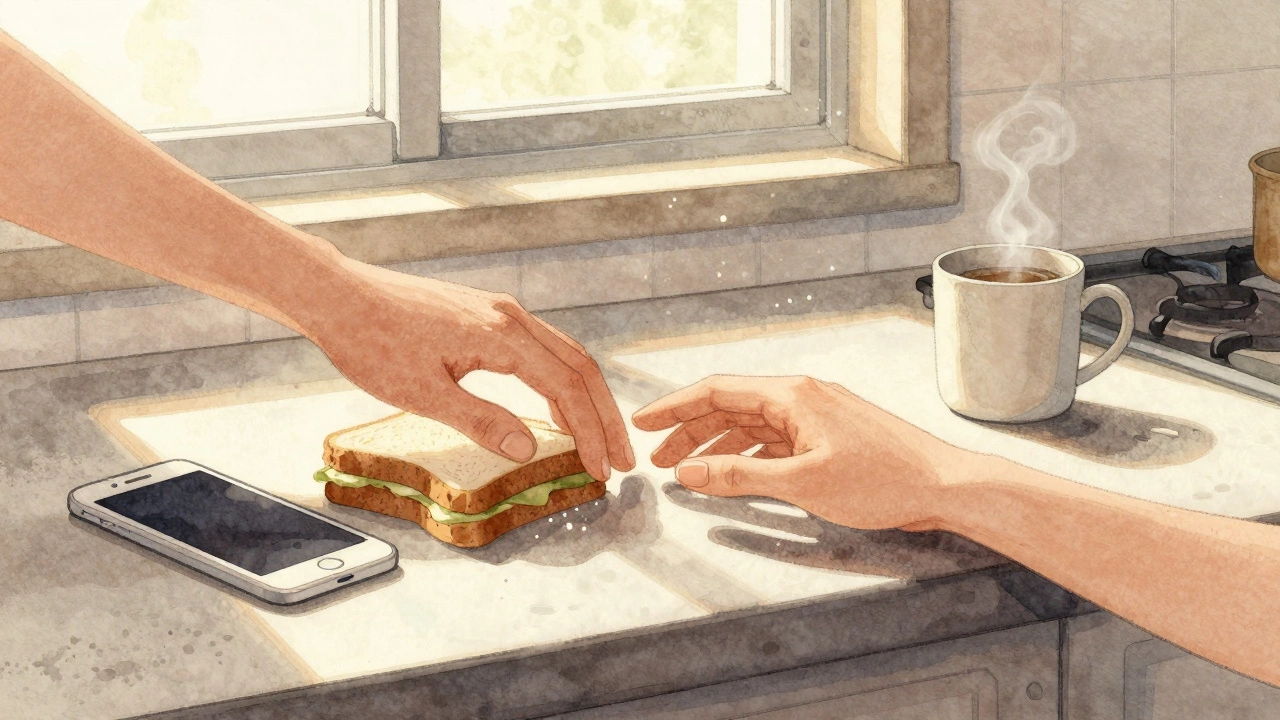
How to Reclaim Real Intimacy
It’s not about quitting sexting. It’s about rebalancing. Here’s how:
- Set a ‘no screens’ hour every night. No phones. No TV. Just talking-or silence, if that’s what you need.
- Replace one sext a day with a voice message. Say something real. ‘I miss your laugh.’ ‘I was thinking about how you held me last week.’
- Plan one physical date a week. Not dinner. Something tactile. Walk barefoot on the beach. Cook together. Dance in the kitchen.
- Ask this question every Sunday: ‘What’s one thing you felt emotionally this week that I didn’t see?’
It’s not magic. But it’s real. And real things take time to heal.
When It’s Too Late
Some relationships don’t recover. And that’s okay. Not every love story ends in reconciliation. Sometimes it ends in honesty. If you’ve tried the steps above and still feel empty, it’s not because you failed. It’s because the connection was already gone. The sexts were just the last thing holding the shell together.
Leaving isn’t failure. Staying in silence is.
Final Thought: You Deserve More Than a Screen
Your partner deserves more than a pixelated fantasy. And you deserve more than a text that fades with the screen. Real love isn’t found in the heat of a moment-it’s built in the quiet between them. In the laundry folded together. In the coffee shared without words. In the way you know when they’re lying because their voice cracks.
If you’re reading this, you still care. That’s the first step. Now go put your phone down. Look them in the eye. And ask: ‘Can we start over?’